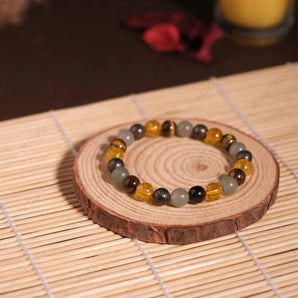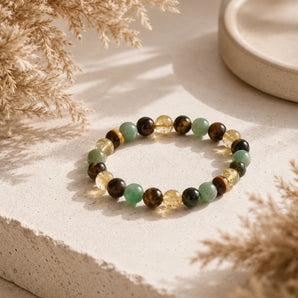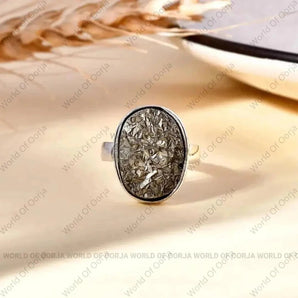

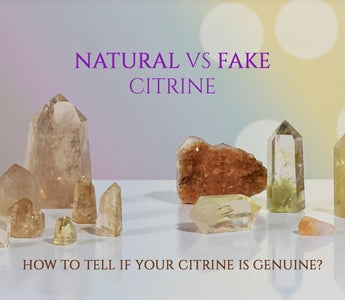
Citrine — the warm, sunlit gemstone of wealth, manifestation, and positivity — has become one of the most sought-after crystals in the world.
But here’s the surprising truth:
👉 Over 80–90% of “citrine” sold in the global market is actually heat-treated amethyst, not true natural citrine.
(According to gemstone market studies and 2024 crystal industry trend reports)
With the rising demand for authentic healing crystals, knowing how to identify real citrine is crucial — especially if you’re buying for energy work, Feng Shui, chakra healing, or manifestation rituals.
This guide covers everything:
✔ How to differentiate natural vs fake citrine
✔ Home tests you can do
✔ Market stats & trends
✔ What real citrine looks like
✔ How to avoid buying treated or glass citrine
What Makes Natural Citrine Special?
Natural citrine is a rare yellow-to-honey variety of quartz formed under intense heat deep within the Earth.
-
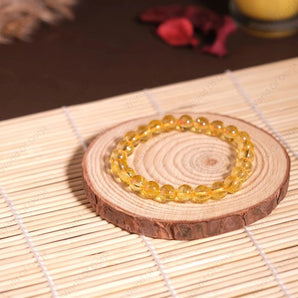
Color: Pale lemon to soft honey
-
Sources: Brazil, Madagascar, Russia
-
Chakra: Solar Plexus (Manipura)
-
Known as: Merchant’s Stone for wealth, abundance & success
How to Identify Real Citrine: Key Characteristics
1. Color
Natural Citrine:
-
Soft, gentle yellow
-
Even, subtle color distribution
-
Never overly bright
Fake/Heat-Treated Amethyst:
-
Bright orange, deep burnt yellow, or reddish-brown
-
Color concentrated at tips
-
Very intense or unnatural hues
2. Clarity
Real Citrine:
-
Natural inclusions
-
Internal wisps, feathers, or rainbows
Fake (Glass):
-
Too perfect
-
Bubble-like inclusions
3. Transparency
Real Citrine:
-
Transparent to translucent
-
Soft inner glow
Fake Citrine:
-
Too shiny or too dull
-
Uneven transparency
The Truth About Fake Citrine in the Market
1. Heat-Treated Amethyst (Most Common)
Around 90% of “citrine” stones are actually heat-treated amethyst.
Signs:
-
Dark orange/brown shade
-
Color is stronger at the crystal points
-
Feels energetically dull or “heavier”
2. Glass Citrine
Made from dyed or heat-colored glass.
Signs:
-
Low hardness (scratches easily)
-
Visible bubbles
-
Glassy shine
Simple Home Tests to Check If Your Citrine Is Real
1. Bubble Test
-
Bubbles = fake / glass
-
Natural inclusions = real
2. Color Test
-
Too orange or burnt = heat-treated amethyst
-
Soft lemon-to-honey = natural
3. Temperature Test
-
Real citrine stays cool longer
-
Glass warms quickly in your hand
4. Hardness Test
(Not recommended for jewelry)
-
Real citrine (7 Mohs) can scratch glass
-
Glass cannot scratch citrine
Professional Testing for 100% Accuracy
A certified gemologist can confirm authenticity using:
-
Refractive Index: 1.54–1.55
-
Hardness: 7
-
Spectroscope Testing
-
UV Fluorescence
Always ask for a gemstone authenticity certificate when purchasing.
How to Make Sure You’re Buying Genuine Citrine
✔ Buy only from reputed or certified gemstone sellers
✔ Avoid overly bright orange stones
✔ Ask for a lab certificate (GIA / IGI / Local Gem Lab)
✔ Prefer raw and natural clusters over colored points
✔ Choose sellers transparent about heat treatment
👉 At World of Oorja, all citrine pieces are 100% natural, ethically sourced, and lab-certified, so you receive both authentic energy and genuine gemstone value.
FAQs
1. How can you tell if citrine is fake at home?
Check for bubbles, unnatural orange color, fast warming, and overly perfect clarity.
2. Is heat-treated amethyst still citrine?
Chemically, it’s quartz, but not natural citrine, and is less valued.
3. What color is natural citrine?
Soft yellow, pale lemon, honey, or warm golden.
4. Why is natural citrine rare?
It forms under unique geological heat conditions, making it scarcer than amethyst.
5. Does fake citrine work for manifestation?
Energetically, natural citrine is believed to hold a stronger and purer vibration.
Conclusion-
Understanding the difference between natural and fake citrine ensures you’re working with a crystal that truly aligns with abundance, joy, manifestation, and solar plexus chakra healing.
Whether you're a collector, spiritual practitioner, or beginner, knowing how to identify genuine citrine protects both your investment and your energy.
Looking for authentic, lab-certified natural citrine? Explore World of Oorja’s genuine citrine collection and experience real abundance energy — not imitation stones.
👉 Shop genuine natural citrine clusters, bracelets, tumbled stones & raw pieces.